

Exploring the Benefits and Applications of New PVDF Welding Rods
2025-09
Author:
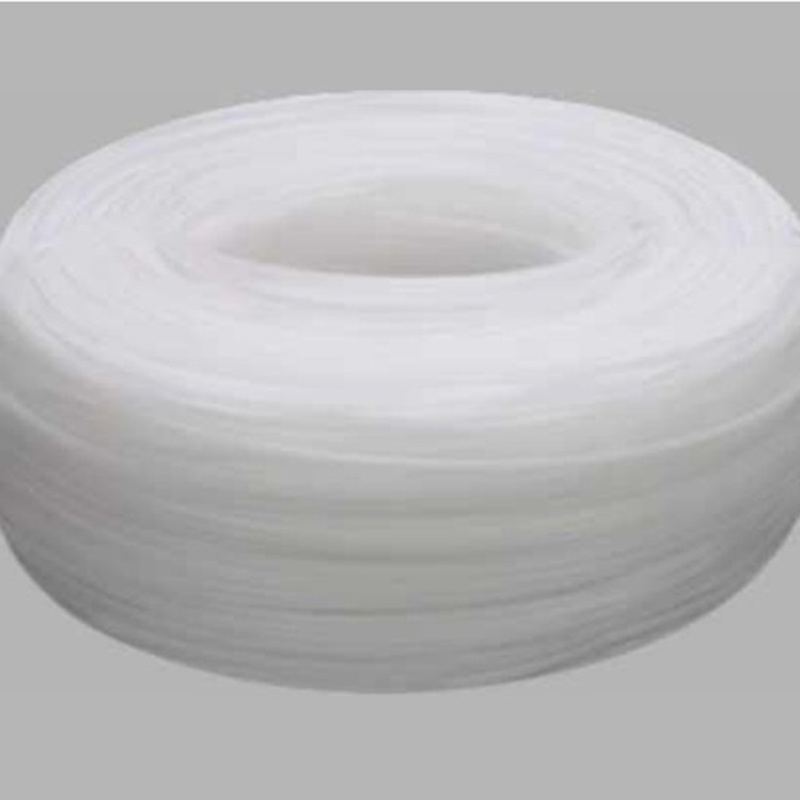
One of the key benefits of using new PVDF welding rods is their superior chemical resistance. PVDF is inherently resistant to a wide range of chemicals, including acids, bases, and solvents. This property makes PVDF welding rods ideal for use in environments where exposure to harsh substances is a concern. Industries such as chemical processing, water treatment, and pharmaceuticals can greatly benefit from the use of these rods, ensuring that welded joints remain intact and functioning even under challenging conditions.
Another advantage of new PVDF welding rods is their excellent thermal stability. PVDF can withstand high temperatures without degrading, allowing for effective welding processes that do not compromise the integrity of the material. This thermal performance is essential for applications that involve high-temperature environments, making these welding rods suitable for various industrial uses.
In addition to their chemical and thermal properties, new PVDF welding rods exhibit excellent mechanical strength. The welded joints created using these rods are not only durable but also maintain flexibility, which is crucial for applications that require some degree of movement or expansion. This mechanical resilience allows for the construction of robust structures and components, contributing to the longevity and reliability of the overall system.
The application of new PVDF welding rods extends beyond traditional welding. They can be utilized in various techniques, including hot air welding, extrusion welding, and even solvent bonding. This versatility enables manufacturers to choose the method that best suits their specific needs, further enhancing the efficiency of the welding process.
Moreover, the ease of use associated with new PVDF welding rods cannot be overlooked. Their compatibility with standard welding equipment simplifies the integration into existing manufacturing processes. This convenience allows for quicker adoption in industrial settings, helping businesses improve their productivity without the need for significant changes to their workflow.
In conclusion, new PVDF welding rods present a range of benefits that make them a valuable addition to the welding toolkit, especially in the chemical and plastic industries. With their outstanding chemical resistance, thermal stability, and mechanical strength, these rods enhance the reliability and performance of welded joints. Embracing these innovative solutions can lead to more efficient manufacturing processes and longer-lasting products, ultimately benefiting businesses and their clients alike.
Online Inquiry
Note: Please leave your email address and our professionals will contact you as soon as possible!
RELATED INFORMATION

Understanding PP Ball Type Check Valves: A Comprehensive Guide
PP ball type check valves are an essential component in many industrial applications, providing a reliable means of preventing backflow in fluid systems. Made primarily from polypropylene (PP), these valves are known for their lightweight, corrosion-resistant properties, making them suitable for handling various fluids, including chemicals, water, and other liquids. Understanding the functionality
A Comprehensive Guide to Installing PP Ball Check Valves Table of Contents 1. Introduction to PP Ball Check Valves 2. Benefits of Using PP Ball Check Valves in Industrial Applications 3. Tools and Materials Required for Installation 4. Step-by-Step Instructions for Installing PP Ball Check Valves 4.1 Preparing for Installation 4.2 Installing the Valve 4.3 Testing the Installation