


Why Choosing the Right PP OEM Check Valve Matters for Your Operations
2026-03
Author:
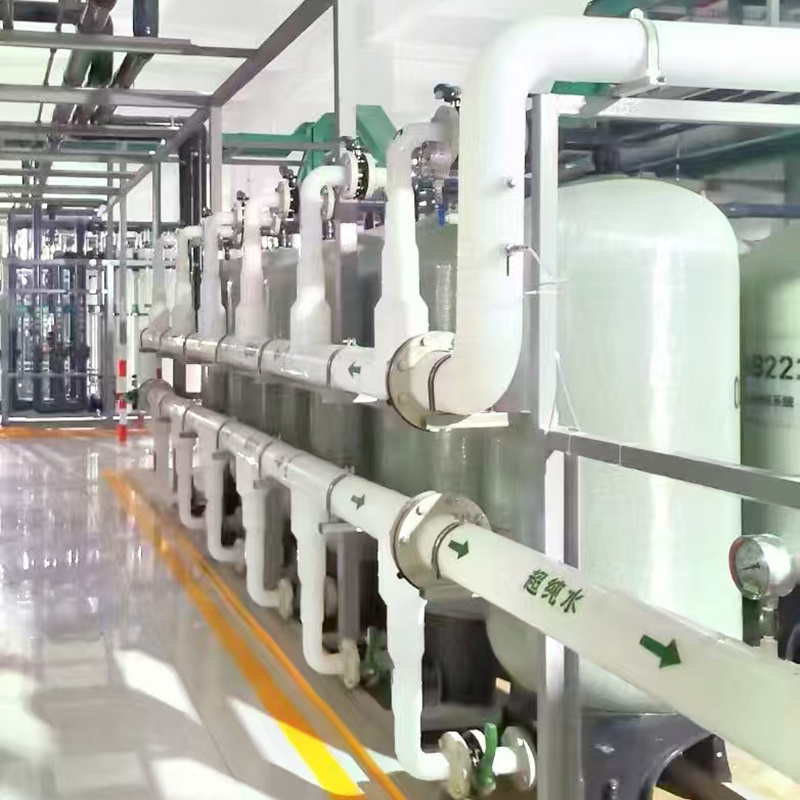
Why Choosing the Right PP OEM Check Valve Matters for Your Operations
In the ever-evolving landscape of industrial operations, the correct selection of components can significantly impact efficiency, safety, and operational costs. One such critical component is the check valve, specifically the PP OEM check valve. This article explores why choosing the right PP OEM check valve is essential for your operations and how it can enhance performance, reliability, and cost-effectiveness.
Understanding PP OEM Check Valves: A Brief Overview
PP (Polypropylene) OEM (Original Equipment Manufacturer) check valves are devices designed to prevent backflow in piping systems. They are an essential part of various industrial applications, including water treatment, chemical processing, and food production. The lightweight nature of polypropylene combined with its resistance to corrosion makes it an ideal material for check valves in many environments.
The Functionality of Check Valves
Check valves operate by allowing fluid to flow in one direction while preventing reverse flow. This is crucial in maintaining system integrity and ensuring that processes run smoothly. By automatically closing when backflow occurs, check valves protect pumps, compressors, and other critical equipment from potential damage.
Why Material Matters: The Benefits of Polypropylene
When it comes to material selection, polypropylene stands out for several reasons:
1. **Chemical Resistance**: PP is resistant to a wide range of chemicals, making it suitable for various applications, including acids and bases.
2. **Lightweight**: The low density of PP allows for easier installation and handling compared to metal alternatives.
3. **Cost-Effective**: PP check valves are generally more affordable than those made from metals or other materials, offering a budget-friendly option without sacrificing quality.
Key Considerations for Selecting the Right PP OEM Check Valve
When choosing a PP OEM check valve, several factors come into play. Understanding these considerations can help you make an informed decision.
1. Application Requirements
Every application has unique requirements regarding pressure, temperature, and chemical compatibility. Assessing these factors is critical to selecting a valve that will perform optimally in your specific environment.
2. Flow Rate and Size
The flow rate of your system dictates the size of the check valve required. A valve that is too small may restrict flow, while one that is too large can lead to inefficiencies. Consult with your supplier to determine the best size for your application based on flow conditions.
3. Valve Design and Type
Check valves come in various designs, including swing, lift, and diaphragm types. Each design has its advantages and is suited for different applications. For instance, swing check valves are commonly used in low-pressure applications, while lift check valves are better suited for higher pressure environments.
Understanding Different Types of Check Valves
- **Swing Check Valves**: These utilize a disc that swings on a hinge. They are best for horizontal installations and low-pressure applications.
- **Lift Check Valves**: This type features a disc that moves up and down, allowing for higher pressure applications.
- **Diaphragm Check Valves**: These provide tight sealing and are ideal for handling viscous fluids or slurries.
4. Installation and Maintenance
The ease of installation and maintenance should be factored into your decision. Some valves are designed for quick installation, while others require more time and specialized tools. Additionally, consider how easy it is to access the valve for maintenance purposes.
The Impact of Choosing the Right Check Valve on Operational Efficiency
Selecting the correct PP OEM check valve can lead to significant improvements in operational efficiency. A correctly functioning check valve minimizes downtime and reduces the risk of equipment failure, thereby enhancing productivity.
Reducing Downtime and Maintenance Costs
Improperly selected or poorly functioning check valves can lead to leaks or failures, resulting in costly downtime. Specialized checks like the PP OEM version are designed to withstand specific environmental conditions and chemical processes, reducing the likelihood of operational interruptions.
Improving System Integrity and Safety
A reliable check valve protects downstream equipment from backflow, which can lead to contamination or damage. By ensuring that your system operates safely and effectively, you can maintain high standards of operation and compliance with industry regulations.
Common Applications for PP OEM Check Valves
PP OEM check valves are versatile and find applications across various industries:
- **Water Treatment**: In water purification systems, check valves prevent backflow, ensuring the integrity of the treated water.
- **Chemical Processing**: They are used in chemical manufacturing to prevent the backflow of hazardous materials.
- **Food and Beverage**: These valves are critical in maintaining hygiene and safety standards in food processing applications.
- **Pharmaceuticals**: In this industry, PP OEM check valves help maintain purity and prevent contamination.
Frequently Asked Questions (FAQs)
1. What is the lifespan of a PP OEM check valve?
The lifespan of a PP OEM check valve varies based on application conditions, including pressure and temperature. However, with proper maintenance, they can last several years.
2. How do I know if my check valve is functioning correctly?
Signs of malfunction may include unusual noises, leaks, or failure to prevent backflow. Regular inspections can help identify issues before they become significant problems.
3. Can PP OEM check valves be used for high-pressure applications?
Yes, certain designs of PP OEM check valves are suitable for high-pressure applications, but it’s essential to choose the right type based on your specific requirements.
4. Are PP OEM check valves more cost-effective than metal valves?
Yes, generally, PP OEM check valves are more cost-effective due to their lower material costs, ease of installation, and reduced maintenance requirements.
5. How do I choose the right size check valve for my application?
To determine the correct size, consider the flow rate of your system and consult with your supplier or manufacturer for guidance based on your specific needs.
Conclusion
Choosing the right PP OEM check valve is a critical decision that can significantly impact your operations. By understanding the functionality, material benefits, and application requirements, you can select a valve that enhances efficiency, reduces maintenance costs, and ensures operational safety. Investing time in this decision will yield long-term benefits and contribute to the overall success of your industrial operations. Prioritizing quality and suitability when selecting a check valve will pave the way for a more reliable and productive system.
Previous Page:
Online Inquiry
Note: Please leave your email address and our professionals will contact you as soon as possible!