

Understanding the Benefits of PVDF Ball Check Valves in Industrial Applications
2025-07
Author:
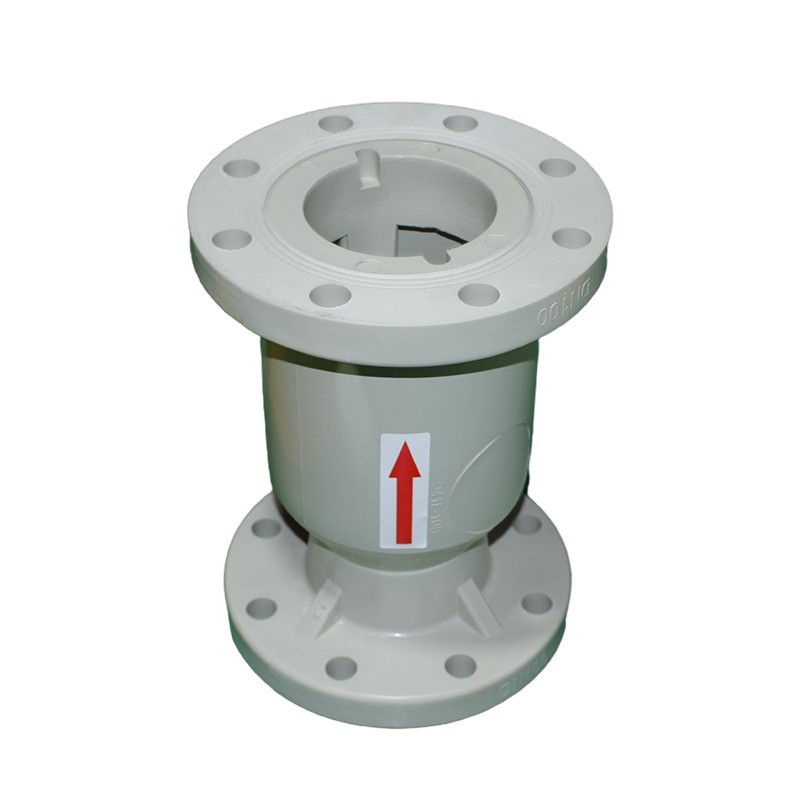
Understanding the Benefits of PVDF Ball Check Valves in Industrial Applications
Table of Contents
- What Are PVDF Ball Check Valves?
- The Importance of Ball Check Valves in Industrial Applications
- Advantages of PVDF Material in Valve Construction
- How PVDF Ball Check Valves Work
- Applications of PVDF Ball Check Valves in Various Industries
- Maintenance and Care for PVDF Ball Check Valves
- Common Issues and Solutions with PVDF Ball Check Valves
- Conclusion
- Frequently Asked Questions
What Are PVDF Ball Check Valves?
PVDF (Polyvinylidene Fluoride) ball check valves are specialized valves used to prevent backflow in piping systems. These valves feature a ball that moves within a spherical seat, allowing flow in one direction while blocking it in the opposite direction. The unique properties of PVDF, including its chemical resistance and durability, make these valves particularly valuable in various industrial applications.
The Importance of Ball Check Valves in Industrial Applications
Ball check valves play a crucial role in maintaining the integrity of industrial systems. They are essential for:
- Preventing Backflow: Backflow can lead to contamination and system failure. Ball check valves ensure that materials flow in the intended direction.
- Enhancing System Efficiency: By reducing the likelihood of flow reversal, these valves help maintain consistent pressure and flow rates.
- Protecting Equipment: Backflow can cause significant damage to pumps and other equipment. Proper valve placement helps protect these assets.
Advantages of PVDF Material in Valve Construction
Choosing PVDF for ball check valves brings several advantages:
- Chemical Resistance: PVDF is highly resistant to acids, bases, and solvents, making it ideal for harsh environments.
- Temperature Tolerance: PVDF can withstand extreme temperatures, allowing it to perform reliably in both high and low-temperature applications.
- Durability: The material's strength and resilience ensure a long service life, reducing the need for frequent replacements.
- Lightweight: PVDF’s low density makes these valves easier to handle and install, contributing to overall operational efficiency.
How PVDF Ball Check Valves Work
The operation of a PVDF ball check valve is straightforward:
- As fluid flows in the intended direction, the pressure lifts the ball off its seat.
- This allows fluid to pass through the valve.
- When the flow decreases or reverses, gravity and pressure push the ball back onto the seat, sealing the valve and preventing backflow.
This simple yet effective mechanism ensures that systems remain operational and secure, making PVDF ball check valves indispensable in many industrial setups.
Applications of PVDF Ball Check Valves in Various Industries
PVDF ball check valves are versatile and find applications in several sectors:
1. Chemical Processing
In chemical plants, PVDF valves resist corrosive fluids, providing reliable backflow prevention and protecting sensitive equipment.
2. Water Treatment
These valves are essential in water treatment systems, ensuring that contaminants do not flow back into clean water supplies.
3. Pharmaceutical Manufacturing
In the pharmaceutical industry, the chemical resistance and purity of PVDF help maintain the integrity of sensitive formulations.
4. Food and Beverage Industry
PVDF ball check valves can be used in the food industry, where sanitary conditions are paramount, ensuring no contamination occurs during processing.
5. Oil and Gas
These valves provide reliable operation in extreme conditions, preventing backflow in pipelines transporting oil and gas.
Maintenance and Care for PVDF Ball Check Valves
Maintaining PVDF ball check valves is essential for optimal performance:
- Regular Inspections: Check for wear and tear on the ball and seat to ensure proper sealing.
- Cleanliness: Ensure the valves are free of debris that may hinder operation.
- Monitor Pressure Levels: Regularly monitor the pressure to ensure the valve operates within specified limits.
- Replace Worn Parts: Promptly replace any worn or damaged components to avoid system failures.
Common Issues and Solutions with PVDF Ball Check Valves
While PVDF ball check valves are durable, certain issues may arise:
1. Leakage
Leakage can occur if the ball is damaged or the seat is worn. Regular inspections can help identify these issues early.
2. Jamming
Debris buildup can cause the ball to jam. Ensure regular cleaning and maintenance to prevent this issue.
3. Pressure Drop
A significant pressure drop may indicate that the valve is not functioning correctly. Check for any blockages or mechanical failures.
Conclusion
PVDF ball check valves represent a vital component in many industrial applications, offering numerous benefits such as chemical resistance, durability, and efficiency. By understanding their mechanism, advantages, and applications, industries can make informed choices that enhance operational efficiency and protect critical systems. Regular maintenance and vigilance against common issues will ensure these valves perform optimally, safeguarding both equipment and processes.
Frequently Asked Questions
1. What is the primary function of a PVDF ball check valve?
The primary function is to prevent backflow in piping systems, ensuring fluid flows in only one direction.
2. How often should PVDF ball check valves be inspected?
It is advisable to inspect them regularly, at least once every six months, to ensure optimal performance.
3. Can PVDF ball check valves be used in high-temperature applications?
Yes, PVDF can withstand high temperatures, making it suitable for various thermal conditions.
4. Are PVDF ball check valves easy to install?
Yes, their lightweight design makes them easier to handle and install compared to heavier materials.
5. What maintenance is required for PVDF ball check valves?
Regular inspections, cleaning, and timely replacement of worn parts are essential for maintaining functionality.
Online Inquiry
Note: Please leave your email address and our professionals will contact you as soon as possible!
RELATED INFORMATION

Understanding PP Ball Type Check Valves: A Comprehensive Guide
PP ball type check valves are an essential component in many industrial applications, providing a reliable means of preventing backflow in fluid systems. Made primarily from polypropylene (PP), these valves are known for their lightweight, corrosion-resistant properties, making them suitable for handling various fluids, including chemicals, water, and other liquids. Understanding the functionality
A Comprehensive Guide to Installing PP Ball Check Valves Table of Contents 1. Introduction to PP Ball Check Valves 2. Benefits of Using PP Ball Check Valves in Industrial Applications 3. Tools and Materials Required for Installation 4. Step-by-Step Instructions for Installing PP Ball Check Valves 4.1 Preparing for Installation 4.2 Installing the Valve 4.3 Testing the Installation