

Exploring the Benefits of Customized PE Rods for Industrial Applications
2025-08
Author:
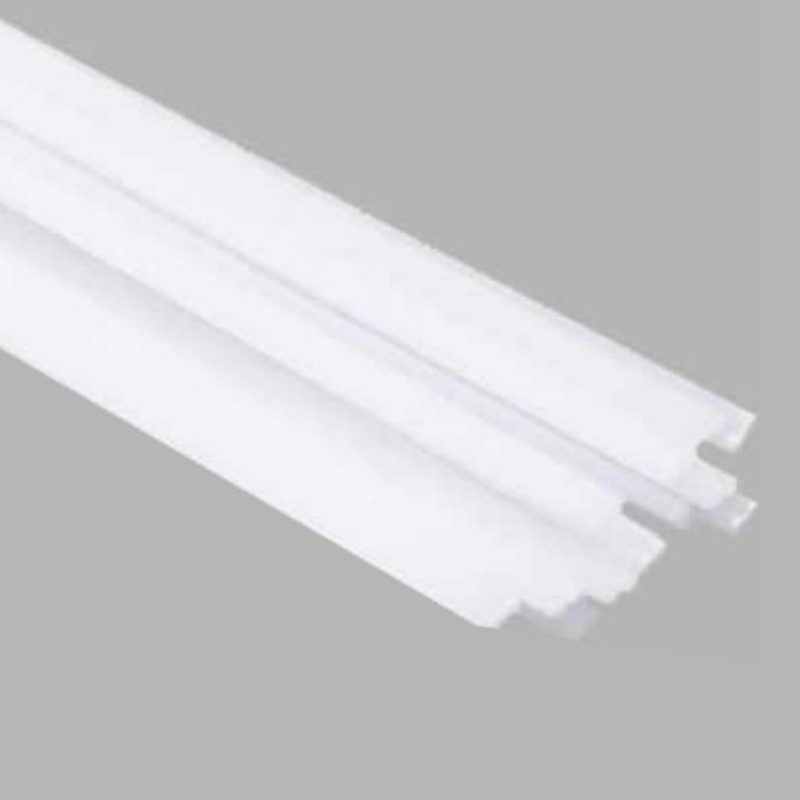
Exploring the Benefits of Customized PE Rods for Industrial Applications
Table of Contents
- 1. Introduction to Polyethylene Rods
- 2. What Are PE Rods?
- 3. Advantages of Customized PE Rods
- 4. Applications in Various Industries
- 5. The Manufacturing Process of Customized PE Rods
- 6. Choosing the Right Supplier for Customized PE Rods
- 7. Cost-Effectiveness of Customized Solutions
- 8. Frequently Asked Questions
- 9. Conclusion
1. Introduction to Polyethylene Rods
In today's rapidly evolving industrial landscape, **specialized materials** have become crucial for enhancing performance and efficiency. One such material, **polyethylene (PE)**, particularly in rod form, has garnered significant attention. These rods offer a **versatile solution** for a multitude of applications, from manufacturing to construction.
2. What Are PE Rods?
Polyethylene rods are cylindrical plastic products made from **polyethylene resin**. They are widely recognized for their strength, durability, and lightweight characteristics. PE rods are available in various **diameters** and **lengths**, making them adaptable for different industrial uses.
There are two primary types of polyethylene used in rod manufacturing:
- **High-Density Polyethylene (HDPE)** - Known for its exceptional strength and chemical resistance.
- **Low-Density Polyethylene (LDPE)** - Offers greater flexibility and is often used in applications requiring **impact resistance**.
3. Advantages of Customized PE Rods
Customized PE rods present a range of advantages over standard options. Here, we outline key benefits that make customization a worthwhile investment:
3.1 Tailored Specifications
Customized rods can be manufactured to meet specific dimensions, ensuring they fit perfectly within your application. This minimizes waste and enhances efficiency.
3.2 Enhanced Performance
By customizing the material properties, you can achieve enhanced performance characteristics such as improved **chemical resistance**, **thermal stability**, and **mechanical strength**.
3.3 Unique Design Features
Customization allows for the incorporation of unique design elements, including notches, grooves, or varying diameters, which can facilitate **specific functionalities** in your application.
3.4 Improved Durability
Customized PE rods can be engineered for increased durability, making them more resistant to wear and tear, which is imperative for high-demand industrial environments.
4. Applications in Various Industries
The versatility of customized PE rods enables their use across diverse industries. Here are a few notable applications:
4.1 Manufacturing
In manufacturing, customized PE rods are often utilized as **guides** or **rollers** in machinery to reduce friction and wear, contributing to smoother operations.
4.2 Construction
In the construction industry, these rods can be used for **bracing**, **support**, or as **protective barriers** due to their lightweight nature and resistance to environmental degradation.
4.3 Food Processing
The food processing industry values customized PE rods for their non-reactive properties and compliance with health standards, making them suitable for use in machinery and conveyors.
4.4 Medical Equipment
In the medical field, customized PE rods are essential for manufacturing tools and equipment, thanks to their **biocompatibility** and ability to be sterilized.
5. The Manufacturing Process of Customized PE Rods
The production of customized PE rods involves several steps, ensuring high-quality outcomes tailored to specific requirements:
5.1 Material Selection
The choice between HDPE and LDPE is the first step, depending on the desired properties for the application.
5.2 Extrusion Process
The selected polyethylene is melted down and extruded into the desired shape and size. This process allows for extensive customization in dimensions and features.
5.3 Cooling and Finishing
Post-extrusion, the rods are cooled to retain their shape. Additional finishing processes, such as cutting or machining, may be applied to achieve precise specifications.
6. Choosing the Right Supplier for Customized PE Rods
Selecting the right supplier is crucial for obtaining high-quality customized PE rods. Consider the following criteria:
6.1 Experience and Reputation
Look for suppliers with a proven track record in manufacturing PE rods. **Customer testimonials** and reviews can provide insight into their reliability.
6.2 Customization Capabilities
Ensure that the supplier has the ability to meet your specific customization needs, including dimensions, material types, and any special design features.
6.3 Quality Assurance
A reputable supplier should adhere to industry standards and have a robust quality assurance process in place, ensuring that the rods meet the necessary specifications.
6.4 Customer Support
Good customer support is essential for addressing any inquiries or issues during the purchasing process. Choose a supplier that is responsive and supportive.
7. Cost-Effectiveness of Customized Solutions
While customized solutions may come with a higher initial price tag, they often lead to **long-term savings**. Here's why:
7.1 Reduced Waste
By obtaining rods that fit your specifications precisely, you can minimize material waste, resulting in cost savings.
7.2 Increased Efficiency
Customized PE rods can improve operational efficiency, reducing downtime and maintenance costs associated with substandard materials.
7.3 Longevity
Investing in high-quality, customized rods can lead to a longer lifespan for your equipment and machinery, further enhancing cost-effectiveness.
8. Frequently Asked Questions
8.1 What is the typical lead time for customized PE rods?
Lead times can vary based on the complexity of the order but generally range from a few weeks to a couple of months.
8.2 Are customized PE rods more expensive than off-the-shelf options?
Yes, they may have a higher upfront cost, but they can lead to significant savings in operational efficiency and durability.
8.3 Can customized PE rods be used in outdoor applications?
Absolutely! Customized PE rods are resistant to UV radiation and environmental stress, making them suitable for outdoor use.
8.4 How do I determine the right specifications for my needs?
Consult with your supplier to discuss your application requirements, which will help inform the necessary specifications.
8.5 Are customized PE rods recyclable?
Yes, polyethylene is a recyclable material. Many manufacturers offer recycling programs for used PE products.
9. Conclusion
Customized PE rods are transforming the landscape of industrial applications. Their unique benefits, including tailored specifications, enhanced performance, and versatility, make them an invaluable resource across various sectors. By investing in these specialized solutions, businesses can improve efficiency, reduce waste, and ultimately save on costs.
As industries continue to evolve, the demand for high-quality, customized materials will only grow. By choosing the right supplier and harnessing the advantages of customized polyethylene rods, companies can stay ahead of the competition and meet the challenges of modern manufacturing, construction, and beyond.
Online Inquiry
Note: Please leave your email address and our professionals will contact you as soon as possible!
RELATED INFORMATION

Understanding PP Ball Type Check Valves: A Comprehensive Guide
PP ball type check valves are an essential component in many industrial applications, providing a reliable means of preventing backflow in fluid systems. Made primarily from polypropylene (PP), these valves are known for their lightweight, corrosion-resistant properties, making them suitable for handling various fluids, including chemicals, water, and other liquids. Understanding the functionality
A Comprehensive Guide to Installing PP Ball Check Valves Table of Contents 1. Introduction to PP Ball Check Valves 2. Benefits of Using PP Ball Check Valves in Industrial Applications 3. Tools and Materials Required for Installation 4. Step-by-Step Instructions for Installing PP Ball Check Valves 4.1 Preparing for Installation 4.2 Installing the Valve 4.3 Testing the Installation